

Corrugated Sheet Dimensions: Complete Guide for Construction & Roofing Projects
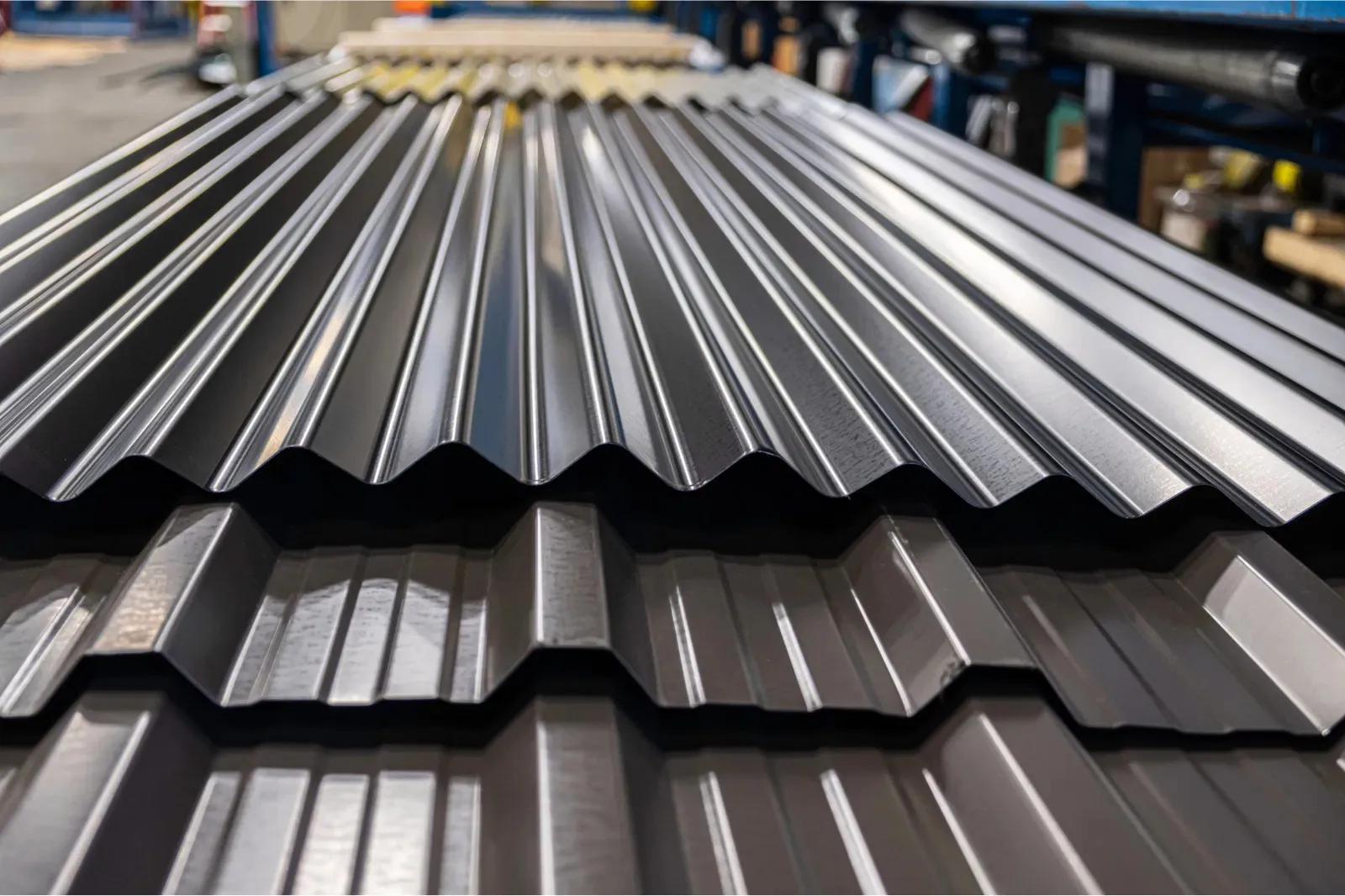
Corrugated sheets are one of the most widely used metal products in construction, roofing, fencing, and industrial applications. Their strength, lightweight structure, and cost-effectiveness make them a popular choice for contractors, fabricators, and homeowners alike. Understanding corrugated sheet dimensions is essential before purchasing, as the right size directly impacts installation efficiency, structural performance, and overall cost.
In this detailed guide, we’ll break down standard corrugated sheet dimensions, thickness options, material types, and how to choose the right size for your project. If you're sourcing quality corrugated sheets, Bobco Metals offers reliable solutions for both residential and commercial needs.
What Is a Corrugated Sheet?
A corrugated sheet is a metal sheet that has been roll-formed into alternating ridges and grooves. These waves (corrugations) increase the sheet’s strength and rigidity without significantly increasing weight. Because of this design, corrugated sheets can span longer distances compared to flat sheets.
They are commonly made from:
Galvanized steel
Galvalume steel
Aluminum
Stainless steel
Each material has different benefits depending on environmental exposure and structural requirements.
Standard Corrugated Sheet Dimensions
Corrugated sheet dimensions vary depending on manufacturer and application, but there are common industry standards.
1. Width
Corrugated sheets typically come in two width measurements:
Overall Width – The total width of the sheet from edge to edge.
Effective (Cover) Width – The usable width after overlapping adjacent sheets during installation.
Common widths include:
26 inches
32 inches
36 inches
39 inches
For example, a 36-inch overall width sheet may have an effective coverage width of approximately 34 inches after overlap.
2. Length
Length is usually customizable, but standard stock lengths include:
6 feet
8 feet
10 feet
12 feet
14 feet
16 feet
Some suppliers can cut sheets to specific project requirements. Choosing the correct length minimizes waste and reduces installation time.
3. Thickness (Gauge)
Thickness is measured in gauge. The lower the gauge number, the thicker the metal.
Common gauges include:
29 gauge (light-duty applications)
26 gauge (residential roofing and siding)
24 gauge (commercial projects)
22 gauge (heavy-duty industrial use)
For roofing applications, 26-gauge corrugated sheets are commonly used because they offer a good balance between durability and cost.
Corrugation Profile Dimensions
The corrugation itself has specific measurements that affect strength and water drainage.
Typical profile specifications include:
Rib height: ½ inch to 1¼ inches
Rib spacing (pitch): 2½ inches to 3 inches
Higher rib heights generally provide better load-bearing capacity and improved water runoff.
Material-Specific Dimension Considerations
Galvanized Corrugated Sheets
Galvanized sheets are coated with zinc for corrosion resistance. They are widely used in roofing and fencing. The dimensions remain standard, but coating thickness may slightly affect overall sheet weight.
Aluminum Corrugated Sheets
Aluminum sheets are lighter than steel and naturally corrosion-resistant. They are ideal for coastal environments where salt exposure is high.
Galvalume Corrugated Sheets
Galvalume sheets have a coating of aluminum and zinc. They offer enhanced corrosion resistance and are commonly used for roofing in industrial areas.
When selecting materials and dimensions, always consider climate, load requirements, and structural design.
How to Choose the Right Corrugated Sheet Dimensions
Selecting the correct corrugated sheet dimensions depends on several factors:
1. Application Type
Roofing: Longer sheets reduce seams and potential leaks.
Wall Cladding: Standard lengths may suffice.
Fencing: Lighter gauge and moderate length are typically adequate.
2. Load Requirements
For areas with heavy snow or wind loads, thicker gauges (24 or 22) and higher rib profiles are recommended.
3. Budget Considerations
Thicker sheets cost more but offer increased durability and lifespan. Choosing the right balance ensures cost efficiency without compromising quality.
4. Installation Method
Overlapping sheets reduces effective coverage width. Always calculate required quantities based on effective width rather than total width.
Advantages of Using Corrugated Sheets
Corrugated sheets offer numerous benefits:
High strength-to-weight ratio
Easy installation
Cost-effective material usage
Excellent drainage capability
Long lifespan with proper coating
Low maintenance requirements
Their versatility makes them suitable for agricultural buildings, warehouses, sheds, carports, and even decorative architectural designs.
Calculating Quantity Based on Dimensions
To estimate how many sheets you need:
Measure total roof width.
Divide by effective sheet width.
Measure roof slope length.
Select sheet length accordingly.
Always add 5–10% extra material to account for overlaps, cutting, and waste.
Why Choose Bobco Metals for Corrugated Sheets?
When quality, precision, and reliability matter, Bobco Metals stands out as a trusted supplier of corrugated sheets and structural steel products. With a wide range of sizes, gauges, and materials available, Bobco Metals ensures customers get products that meet industry standards and project-specific requirements.
Whether you’re working on a small residential shed or a large commercial roofing system, sourcing the correct corrugated sheet dimensions is critical. Bobco Metals provides:
Accurate sizing
Multiple gauge options
Custom length cutting
Durable, corrosion-resistant materials
Expert customer support
Their extensive inventory helps contractors and builders complete projects efficiently and on schedule.
Final Thoughts
Understanding corrugated sheet dimensions is essential for achieving structural integrity, durability, and cost savings in any construction project. From width and length to gauge and rib profile, every dimension plays a role in performance and longevity.
Before making a purchase, carefully evaluate your project requirements, environmental conditions, and load expectations. Choosing the right sheet size not only ensures proper installation but also reduces maintenance costs over time.
If you are looking for dependable corrugated sheet solutions, Bobco Metals offers high-quality materials tailored to meet your needs. With the right dimensions and trusted supply, your next roofing or construction project can be both efficient and long-lasting.